


Lab testing & review
These are some of the tools I use to get a clearer picture of what’s happening in your body
Start here: mineral balancing (HTMA)
At its core, mineral balancing is about helping the body move out of survival mode and into a state where it can repair, adapt, and thrive.
When the body is under ongoing stress, many systems can begin to struggle. Energy production, digestion, blood sugar regulation, sleep, hormone balance, and resilience can all be affected.
Minerals play a role in every one of these processes.
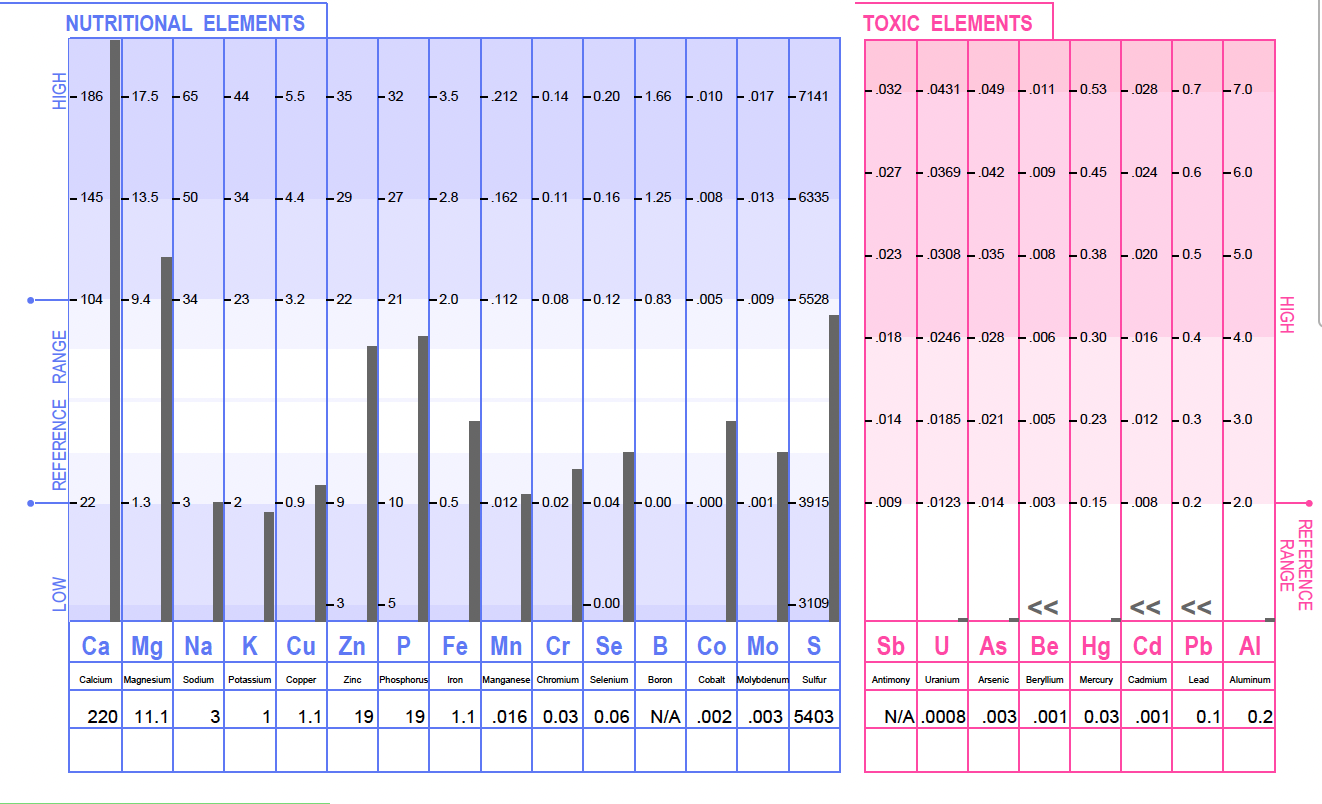
HTMA gives us a unique way to look at these patterns and better understand where your body may need support. Rather than focusing on isolated symptoms, it helps us see the bigger picture of how your system has been functioning over time.
Mineral balance assessment (HTMA) package
Hair Tissue Mineral Analysis (HTMA) provides insight into your mineral status, stress response, energy production, and metabolic patterns. Together, we’ll use these insights to create practical nutrition and lifestyle strategies tailored to your body.
Your assessment includes:
✓ HTMA analysis (test provided if needed)
✓ Health questionnaire + symptom review
✓ Personalized mineral pattern interpretation
✓ 60–75 minute consultation
✓ Nutrition + lifestyle recommendations
✓ Action plan to support your foundations
Investment: $495 USD
(HTMA testing included)
Already have an HTMA test and need help reviewing the results?
HTMA Review + Consultation: $275 USD
Mineral balance assessment (HTMA) package
-
Hair Tissue Mineral Analysis (HTMA) is a non-invasive test that measures the levels of minerals and toxic elements found in your hair.
Because hair grows slowly, the sample provides a snapshot of mineral patterns over approximately the previous 6–8 weeks, rather than reflecting what is happening on a single day.
-
Blood tests measure minerals circulating in the bloodstream at a specific moment in time. Because the body tightly regulates serum mineral levels, blood markers may appear within the “normal” range even when deeper mineral imbalances exist.
For example, serum magnesium can appear normal even when intracellular magnesium stores are depleted by 20–40%.
Hair Tissue Mineral Analysis (HTMA) measures mineral accumulation in the hair over approximately 2–3 months, providing insight into longer-term mineral patterns that a single blood test may not reveal — including mineral deficiencies, stress response, metabolic patterns, blood sugar regulation, and toxic element exposure.
HTMA is not a replacement for blood testing, but it can offer another layer of information to better understand how your body is adapting and using nutrients over time.
-
HTMA may provide insight into:
Mineral balance
Stress and nervous system patterns
Energy production and metabolism
Detoxification trends
Exposure to heavy metals
Patterns that may be contributing to fatigue, sleep issues, hormone imbalances, digestive concerns, and low resilience
-
I find HTMA to be really useful because it helps us to look beyond isolated sympoms and look at the bigger picture.
It tells a story : rather than “what’s wrong with me?”, it says “ how has my body been adapting, and what does it need right now?” . -
HTMA is most valuable when viewed as a series rather than a one-time test.
While a single test provides useful information, retesting every 3–4 months allows us to track changes, identify trends, and see how your body is responding over time.
This helps ensure recommendations remain aligned with your body's current needs rather than where it was several months ago.
Mineral balance assessment (HTMA) package: What to expect?
-
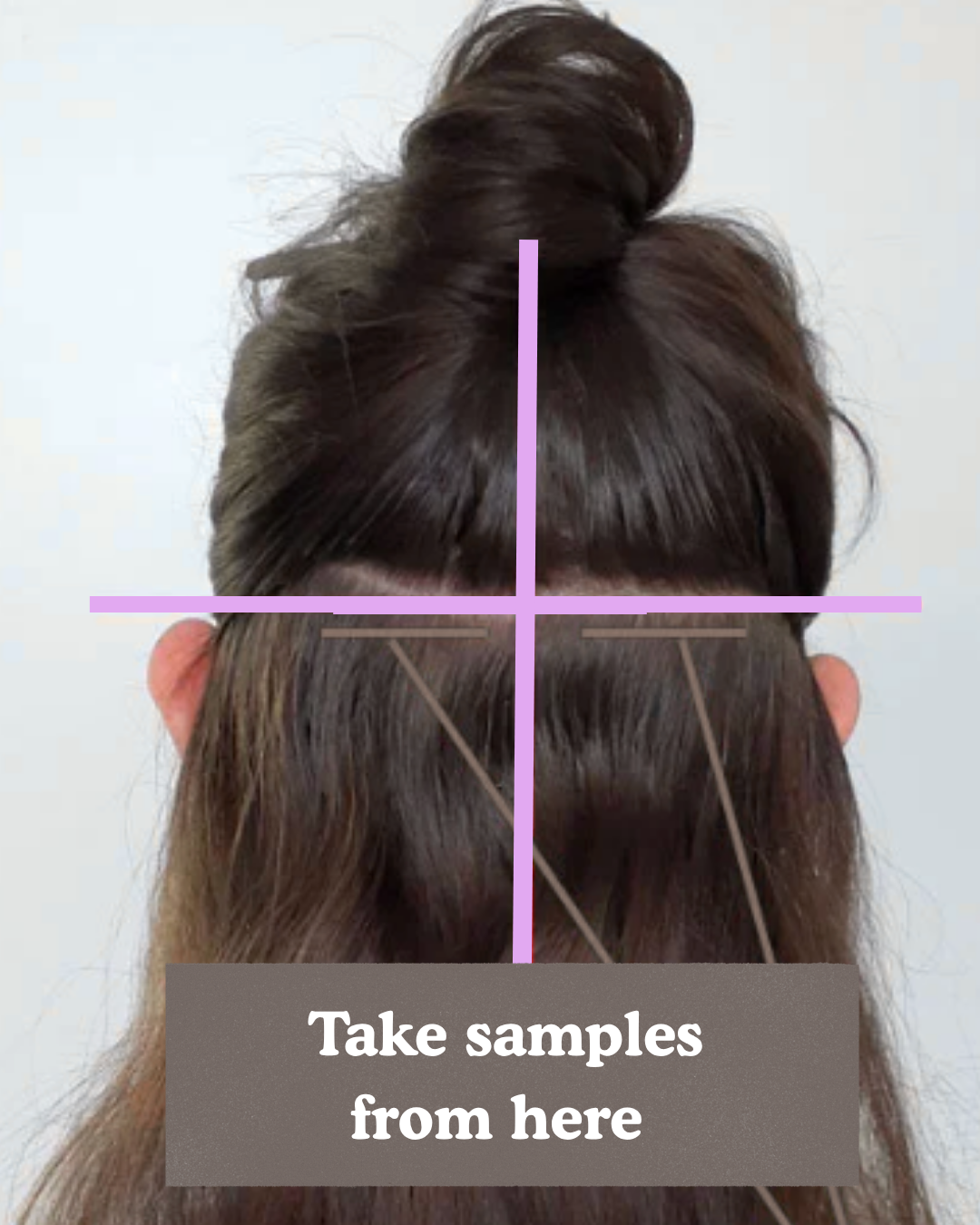
After purchasing your HTMA package, you’ll receive instructions on ordering your test kit and collecting your hair sample.
Your sample is then sent to the laboratory for analysis, and your results are reviewed before our consultation.
-
Before your consultation, you’ll complete a detailed questionnaire covering your health history, symptoms, lifestyle, nutrition, digestion, stress, and goals.
This allows me to interpret your results within the context of your unique body.
-
During our 1:1 consultation, we’ll review your results together and discuss:
✓ mineral patterns
✓ nutrient needs
✓ metabolic tendencies
✓ stress response
✓ lifestyle factors
✓ personalized support strategiesYou’ll leave with a clear understanding of your results and practical next steps.
Other Functional Testing Options
These are some of the tools I use to get a clearer picture of what’s happening in your body
Hair Tissue Mineral Analysis (HTMA)
Using a small hair sample, HTMA reveals longer-term mineral trends (typically around the last 2–3 months) and provides insight into mineral deficiencies, metabolic patterns, stress adaptation, blood sugar regulation, digestive function, and toxic element exposure.
Mycotoxin Testing
A urine-based test that looks for mycotoxins produced by certain molds, helping identify potential mold exposure and providing insight into how these toxins may be impacting detoxification, immune function, and mental wellbeing.
Gut Microbiome Analysis
Assesses overall gut health, including bacterial balance, parasites, yeast, inflammation, and digestive function.
Hormone Testing
Using DUTCH, saliva, or blood testing, we can assess hormone patterns including cortisol, oestrogen, progesterone, testosterone, and adrenal function.
Blood Testing
Looks at key biomarkers related to inflammation, nutrient status, thyroid health, blood sugar balance, liver function, and overall wellness.
Organic Acids Testing (OAT)
A comprehensive urine test showing cellular energy production, nutrient deficiencies, detox capacity, neurotransmitter imbalances, and gut microbial activity.
Food Sensitivity Testing (Cyrex test)
Helps identify potential food-related immune reactions that may be contributing to digestive discomfort, inflammation, or unwanted symptoms.
Vaginal Microbiome Testing
Examines the balance of vaginal flora and screens for infections or imbalances affecting reproductive and hormonal health.
Genetic & Nutrigenomics Testing
Looks at genetic variations that may influence nutrient needs, detox pathways, metabolism, and predisposition to higher nutrient requirements