
The Gut Lining: Your Body’s Protective Barrier
Gut health has become loud and complicated.
More supplements, more protocols, more conflicting advice, yet many people still don’t feel better.
If you’re overwhelmed or unsure where to begin, the most grounded place to start isn’t another elimination diet or trend. It’s the gut lining: the barrier that determines what gets in, what stays out, and how your immune system responds.
When this foundation is supported, everything else works better.
The Gut Lining: Your Body’s Protective Barrier
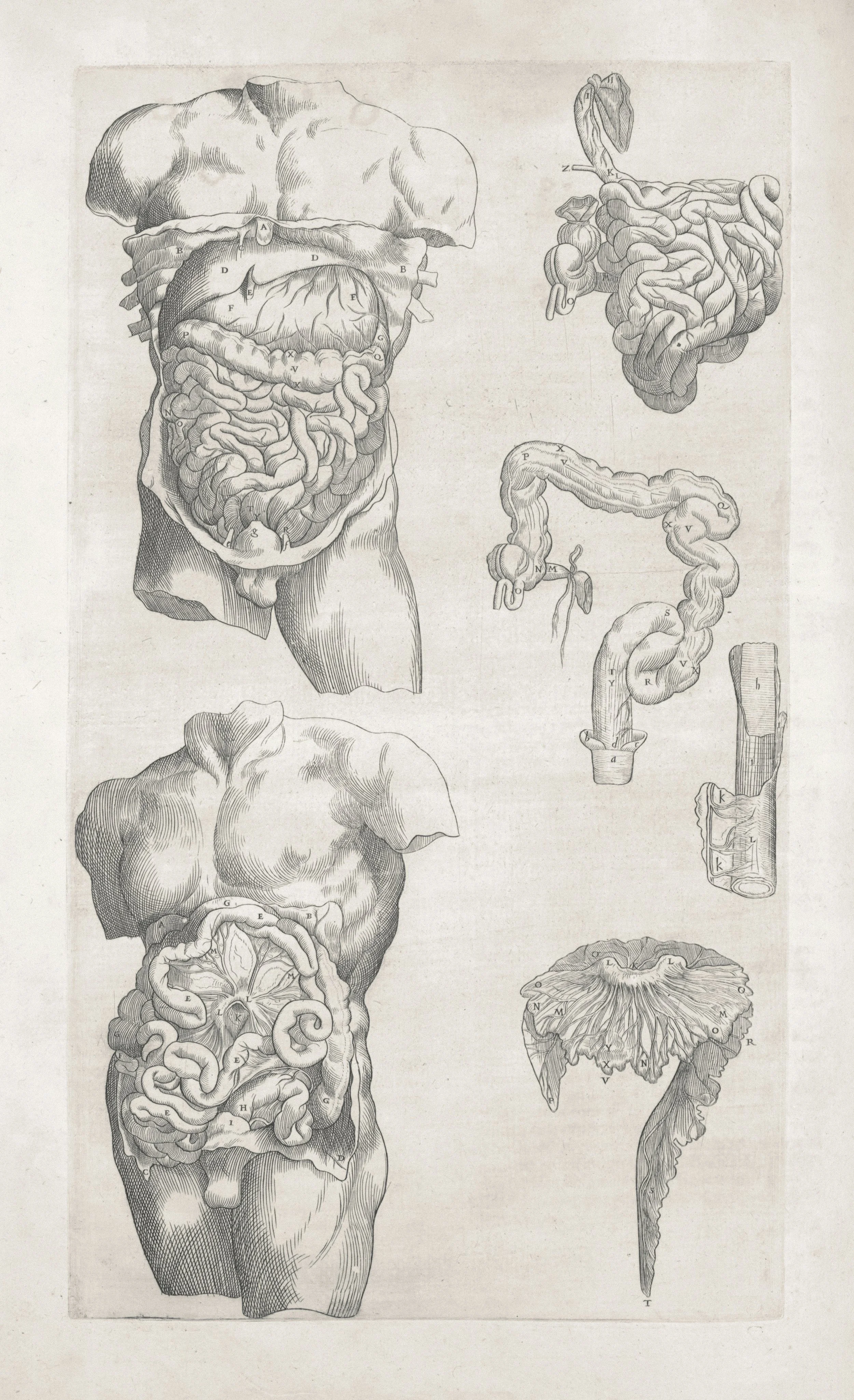
Your gut lining isn’t just a digestive surface, it’s a living, intelligent barrier. Made up of intestinal cells, a protective mucus layer, and immune defenses, it lines the inside of your digestive tract with one primary role: to absorb nutrients while keeping harmful substances out of the bloodstream.
When this barrier is strong, nourishment gets in and toxins, pathogens, and undigested food particles stay where they belong.
What Is Intestinal Permeability?
Intestinal permeability (often referred to as leaky gut) occurs when the lining of the small intestine becomes compromised.Tiny gaps form between intestinal cells, allowing particles to pass through and enter circulation.
This signals the immune system, and when it happens repeatedly, inflammation becomes chronic.
Why a Compromised Gut Barrier Matters
When the gut lining remains damaged, inflammatory signals continue to enter the bloodstream, keeping the immune system switched on. Over time, this low-grade inflammation can:
Disrupt blood sugar regulation
Impair insulin sensitivity
Stress mitochondrial function
Increase the risk of metabolic dysfunction
Drive chronic inflammation without a clear source
Signs the Gut Barrier May Be Struggling
Intestinal permeability often shows up as a cluster of seemingly unrelated symptoms, such as:
Bloating and gas
Food sensitivities
Skin issues
Fatigue or brain fog
Joint pain
Autoimmune flares
Allergies
Chronic inflammation that doesn’t resolve
These are signals worth listening to.
Supporting Gut Barrier Repair
Healing starts by removing what continues to damage the lining, while strengthening the systems responsible for repair.
Key foundations include:
Addressing microbiome dysbiosis
Reducing processed and inflammatory foods
Minimizing NSAID use when possible
Supporting the nervous system (stress is a biggie when it comes to gut permeability)
Improving digestive juices: low stomach acid and poor enzyme output weaken the lining over time
Being mindful of your antibiotic use, as it disrupts protective gut bacteria
Key Nutrients for Gut Repair
Once the main drivers are addressed, targeted nutrients can help stabilize and rebuild the barrier.
My Go-To Supplements
Lactoferrin – supports immune balance and gut integrity
Colostrum –
Aloe vera
Zinc Carnosine – a gut-targeted form of zinc that binds to the intestinal lining to support mucosal healing and barrier strength
Phosphatidylcholine – a key building block of cell membranes that reinforces the gut barrier and supports the protective mucus layer
Quercetin – a flavonoid that stabilizes mast cells, reduces histamine release, and protects tight junctions from inflammation-driven damage
Bitters – work the whole digestive system: vagus nerve, saliva, stomach acid, liver, gallbladder. digestion is a full brain to bottom process. digestion happens wth over 12 organs in your body, you have to actually taste the bitter taste in your mouth to activate the digestive system to turn on.
Long-Term Dietary Support for Barrier Resilience
Sustainable healing comes from daily nourishment. Long-term gut support includes:
Antioxidant-rich foods to reduce oxidative stress
Healthy fats to support cell membranes and mucosal integrity
Fermented foods to support microbial balance
Prebiotic fibers to feed beneficial bacteria
Soluble fiber to support the gut lining and stool quality
Adequate protein to provide the raw materials for tissue repair
